
Women in Engineering: Heya Yu
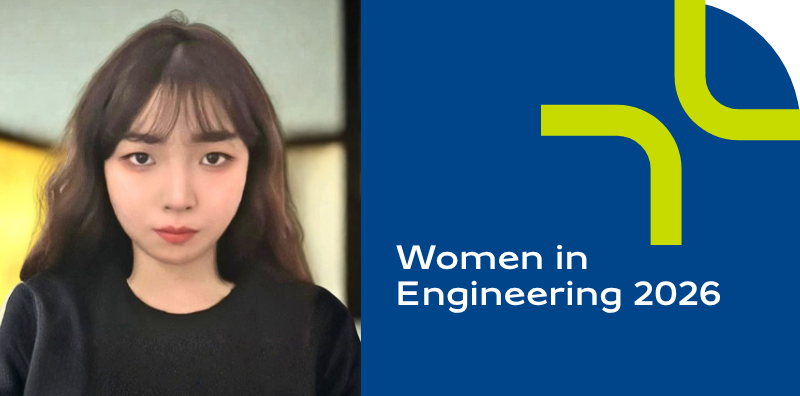
As part of our Women in Engineering 2026 series, we spoke to graduate engineer Heya Yu about what drew her to automation, what she has learned since joining Actemium, and how engineering has helped her grow in confidence as well as technical skillset.
Let’s start at the beginning, please, Heya – what first got you interested in engineering?
I’ve always enjoyed maths and physics, and when I was younger, I was really interested in anything that made everyday life feel more automated. That curiosity naturally led me towards automation when I was studying for my undergraduate degree in China, and that was where I realised how much I enjoyed software and PLC programming.
So, what was your route into engineering?
I completed my undergraduate studies in China and then moved to the UK to do a master’s degree in Electrical and Electronic Engineering at the University of Nottingham. During that time, it became really clear to me that I was most interested in the electrical and automation side of engineering, especially software and control systems.
What was it then about Actemium that appealed to you?
I knew I wanted a role where I could work with PLC code and automation systems in a hands-on way. When I looked at the opportunities available, Actemium really stood out because the work was closely aligned with the kind of engineering I wanted to do, and the industries felt very real and relevant, especially sectors like food and beverage manufacturing.
At present you’re part of Actemium’s graduate engineering programme. What has your experience with it been so far?
Since joining in September 2024, I’ve worked through a range of modules covering software, hardware, commissioning and project management. I also spent time away from my home team at Actemium Teesside, which gave me the chance to learn different systems and software.
That mix of experiences has helped me understand much more about how automation works in practice and how different teams and technologies come together on a project.
Has there been a project you’ve worked on so far that has really stood out for you?
One of the biggest highlights for me has been contributing to a confectionery manufacturing project at MARS. During the commissioning phase, I had the chance to support software testing and work alongside engineers on a live production site, which was a really valuable learning experience.
It gave me the opportunity to apply my knowledge in a real manufacturing environment while also developing skills beyond the technical side of engineering.
It showed me how important teamwork, communication and problem solving are, and how much client interaction matters when you’re delivering a successful project.
Looking back on your time in the graduate programme so far, how do you feel you’ve developed?
When I first joined, I was quite reserved and hesitated to speak up. Over time, with support from my manager and colleagues, I’ve become much more confident. Everyone has been approachable and always willing to share their knowledge, which has really helped me settle in and develop. Looking back now, I can see how much I’ve grown. I’ve significantly sharpened my technical capabilities while building the confidence needed to communicate and collaborate effectively.
What has surprised you most about working in engineering?
One of the biggest things I’ve learned is that engineering is about much more than technical knowledge. At university, so much of your learning comes from textbooks, but in industry you get to see how ideas are turned into reality. You also realise how important collaboration, adaptability and understanding the full project lifecycle really are.
What would you say to a young person thinking about a career in engineering?
I’d say don’t let the idea of engineering intimidate you. It’s such an exciting and rewarding career, and it gives you the chance to make a real difference. One of the best parts is being able to see the outcome of what you’ve worked on, which is really motivating.
And finally, why is sharing your story important to you?
Engineering has already helped me grow so much, both professionally and personally. It’s given me confidence, practical skills and a much clearer sense of where I want to go next. If sharing my experience encourages more young people – especially more women – to consider engineering, then that feels really worthwhile.
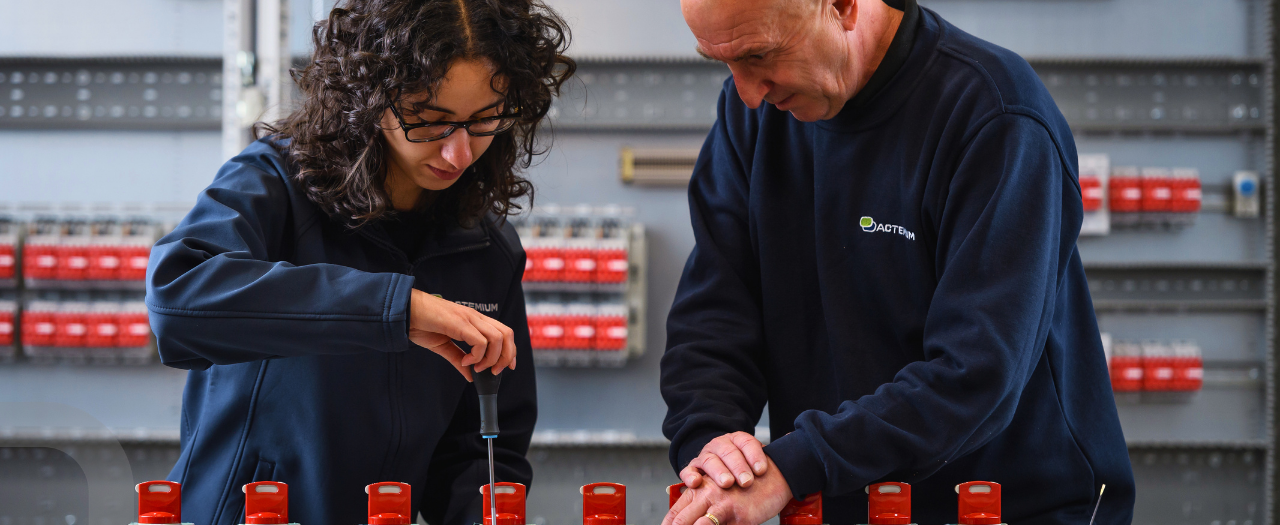
Interested in a career where you can solve complex challenges, keep learning and make a real impact?
At Actemium, we're committed to developing the next generation of engineers through hands-on experience, mentoring and meaningful projects across industry, infrastructure and more.
Explore careers