
Engineered for Safety: Creating a culture of safety early in engineering careers
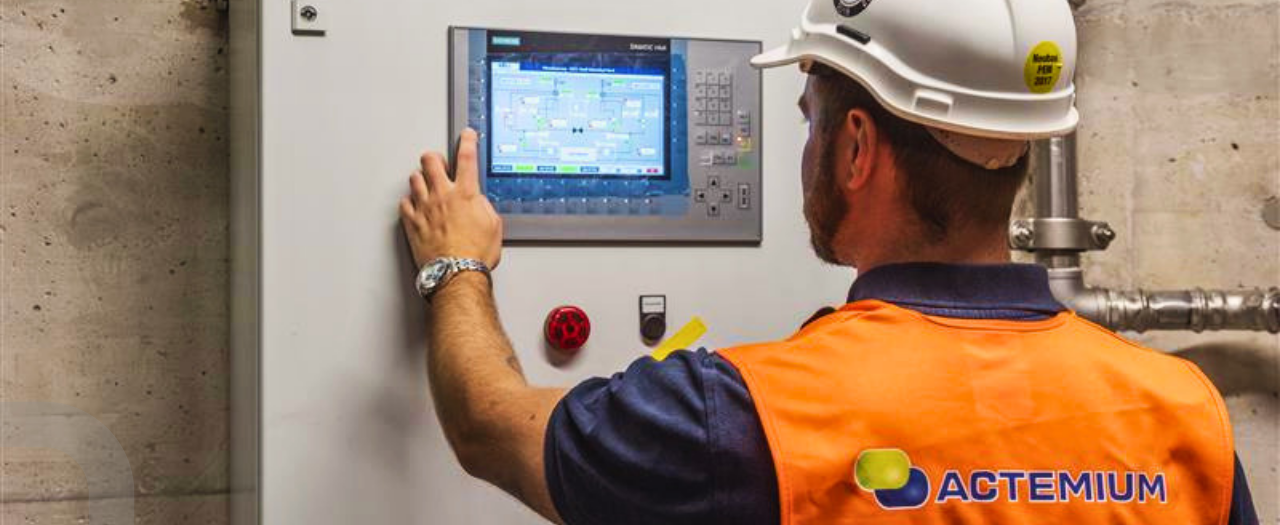
As engineering environments become increasingly complex, developing strong safety awareness from the very start of an engineer’s career has never been more important. At Actemium UK, our approach is focused on embedding safety into everyday thinking - and helping colleagues at the start of their careers understand not just what safe working looks like, but why it matters.

As part of our 2026 Safety Week, Andrew Lakeland, Head of SHEQ at Actemium Automation, shares his thoughts on developing a proactive safety culture, empowering future engineers to manage risk effectively, and why leadership starts long before stepping onto site.
So, Andrew, for many in the industry and beyond, safety is often associated with rules and compliance. Can you tell us why it is particularly important in engineering and automation environments?
Health and safety are fundamental to everything we do at Actemium UK and VINCI Energies because the settings we work in can be complex, fast-moving and sometimes high risk. Of course, there are legal responsibilities, but for me it goes far beyond compliance. It is about protecting people. It’s about making sure that everyone goes home safely at the end of the day.
For us as engineers there is also a professional responsibility to think ahead, identify risk and make the right decisions. And most importantly good safety culture improves quality, productivity and trust across projects too.
Why do you feel is it important to start building safety knowledge early in an engineer’s career?
Because good habits formed early tend to stay with you throughout your career.
We do not want graduates or trainees to see safety as just paperwork. We want them to understand why it matters and how it influences every decision they make.
If we can build that mindset from the beginning – thinking about risk, challenging unsafe situations and speaking up when something does not feel right – then those individuals become stronger engineers and future leaders.
Tell us how is Actemium helping early careers employees develop that mindset?
Within Automation, we are investing heavily in developing our graduates, trainees and Talent Pathway employees, not just technically but professionally as well.
Recently for example, we delivered dedicated workshops through our Engineering Advancement Programme focused on risk assessment, safety awareness and sustainability. The aim was to help individuals build confidence in identifying hazards, understanding controls and thinking critically about safe ways of working.
It is about giving people practical knowledge they can apply both in the workshop and on customer sites from day one.
What are some of the key messages you try to get across in these sessions?
One of the biggest is that safety belongs to everyone. It is not just the responsibility of managers or SHEQ teams.
We focus heavily on our Automation 5 Safety Commitments – reducing driving risk, working safely on site, identifying and isolating energy sources, reporting events and having the confidence to say STOP! if something feels unsafe.
That last point is really important. We actively encourage people to challenge situations and pause work if something does not look right. That culture of openness is critical – and it is widely supported at all levels of our business.
Risk assessment can sound intimidating to someone early in their career. How do you make it relatable?
We try to keep it practical and conversational. Risk assessment is really just about stopping and asking: “What could go wrong here, who could be affected, and what can we do about it?”
Once people understand that, it becomes much less intimidating. We teach the five key stages – identifying hazards, assessing risk, implementing controls, recording findings and reviewing controls – but we always link it back to real-life situations people will actually encounter.
The goal is to help people think proactively and make safer decisions naturally.
Finally, what good look to you in automation Health and Safety?
For me, it means creating an environment where safety is part of our everyday behaviour, not something separate from the job.
It is about looking after each other, doing things the right way, and making sure our people feel confident to speak up, ask questions and keep learning.
If we can embed that mindset early in someone’s career, then we are not just developing capable engineers – we are developing responsible professionals and leaders who will help shape a safer industry in the future.
Want to work in a business that sees Health and Safety top priority? Visit our Career’s Portal to see our current opportunities.